Kitzbühel in the
summer.

Yes, there is such a thing. Winter can wait. Après-ski was yesterday. Green is the new white.
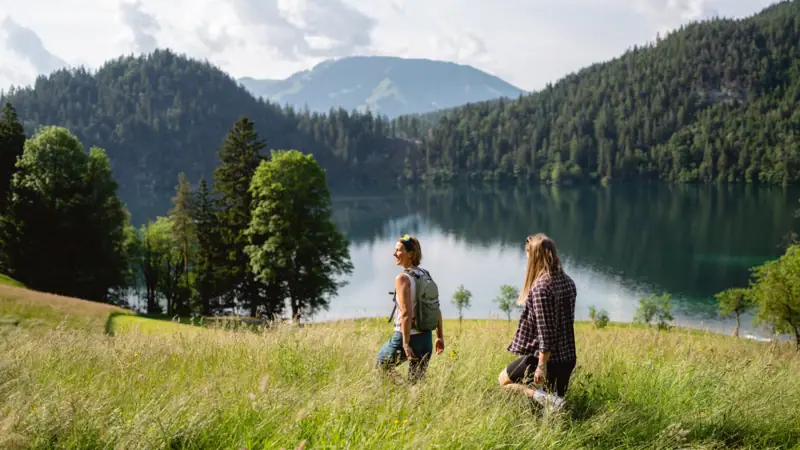
Two people are standing in a grassy field by a lake.
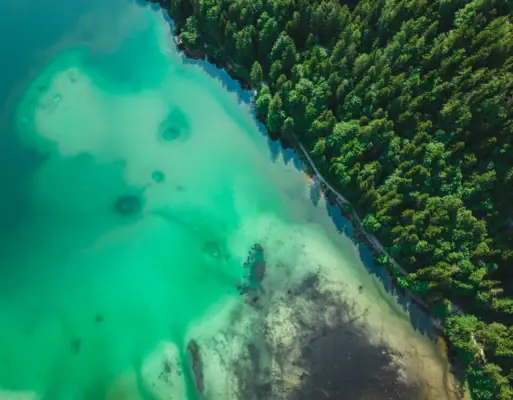
A body of water with trees in the foreground.
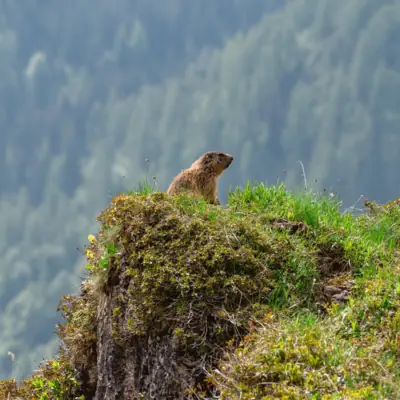
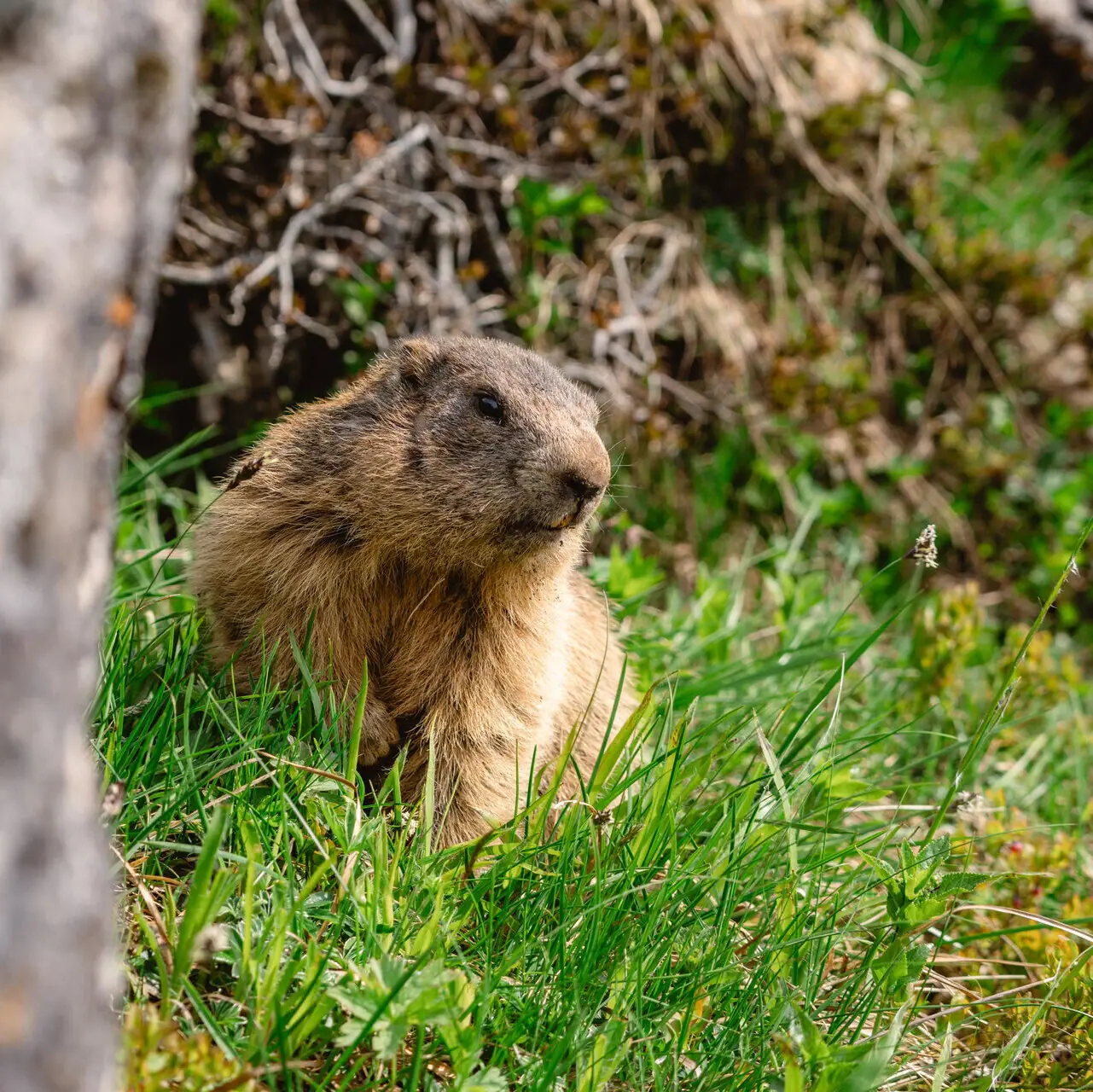
A marmot sits on a rock.

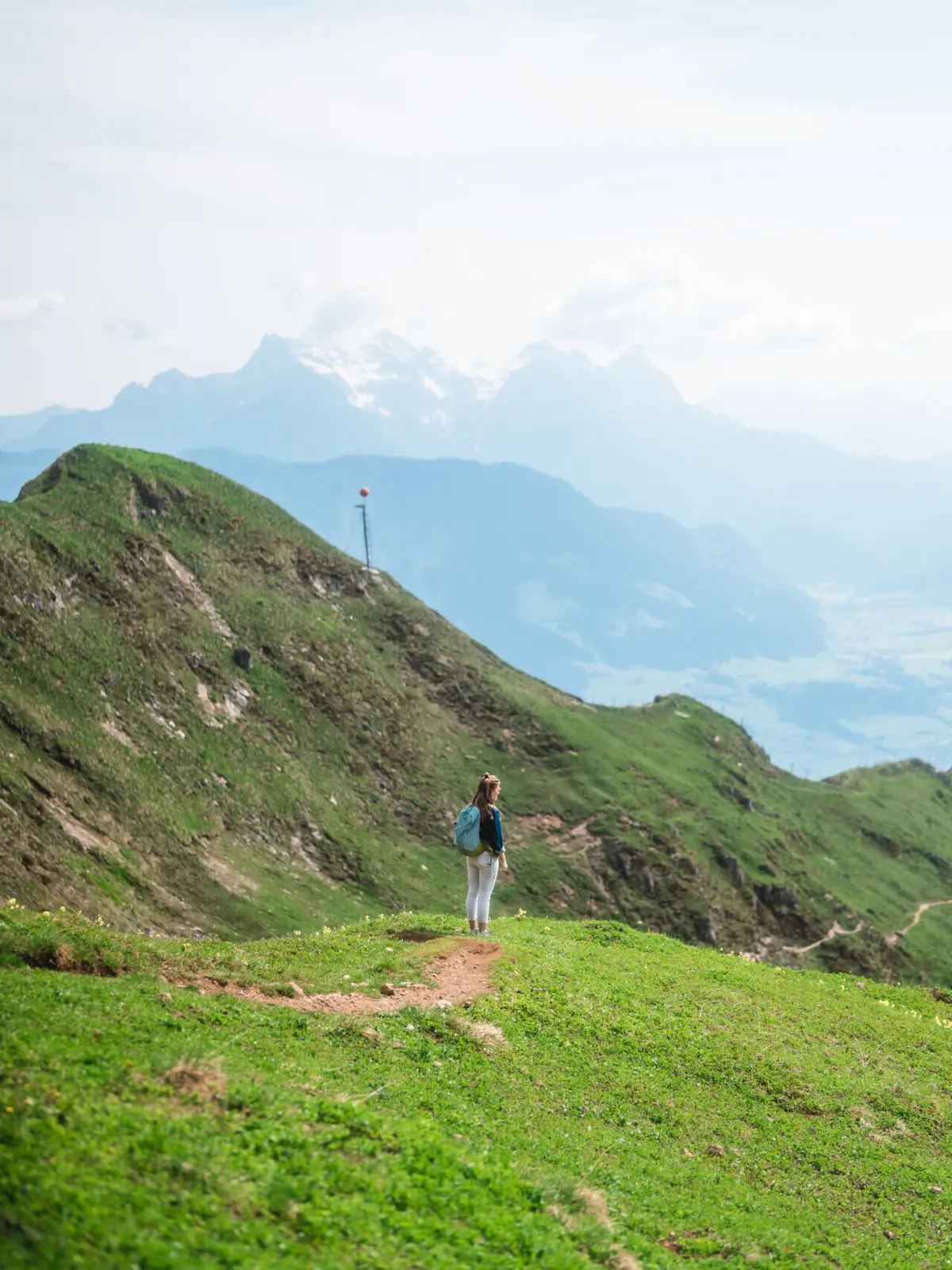
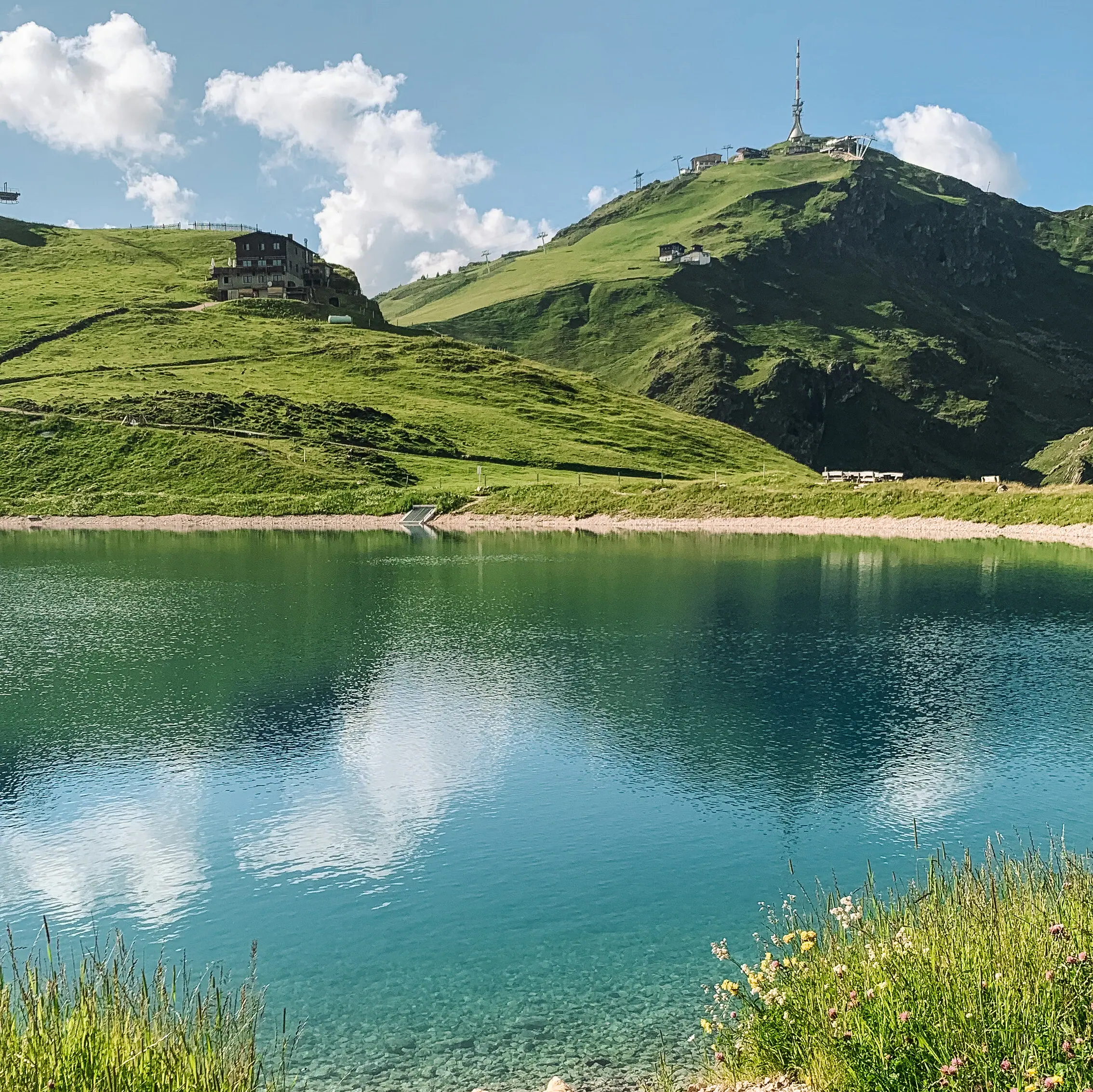
Kitzbühel in summer is a different Kitzbühel. No après-ski music, no crowds on the Streif. Instead: Alpine meadows, mountain lakes, hiking trails where you won't bump into anyone for hours. And evenings that you won't forget in a hurry.

If you only know Kitzbühel in winter, you only know half of it.

Out. Now.

Kitzbühel is no place to sit still. The mountains are too close, the trails too tempting, the mountain pastures too good. Whether on foot, on a bike or with a racket in your hand: the best things happen out here. And anyone who has spent the day on the Hahnenkamm or the Kitzbüheler Horn knows exactly why they came here in the evening. Kitzbühel does that to you. You come for the air. And stay for everything else.
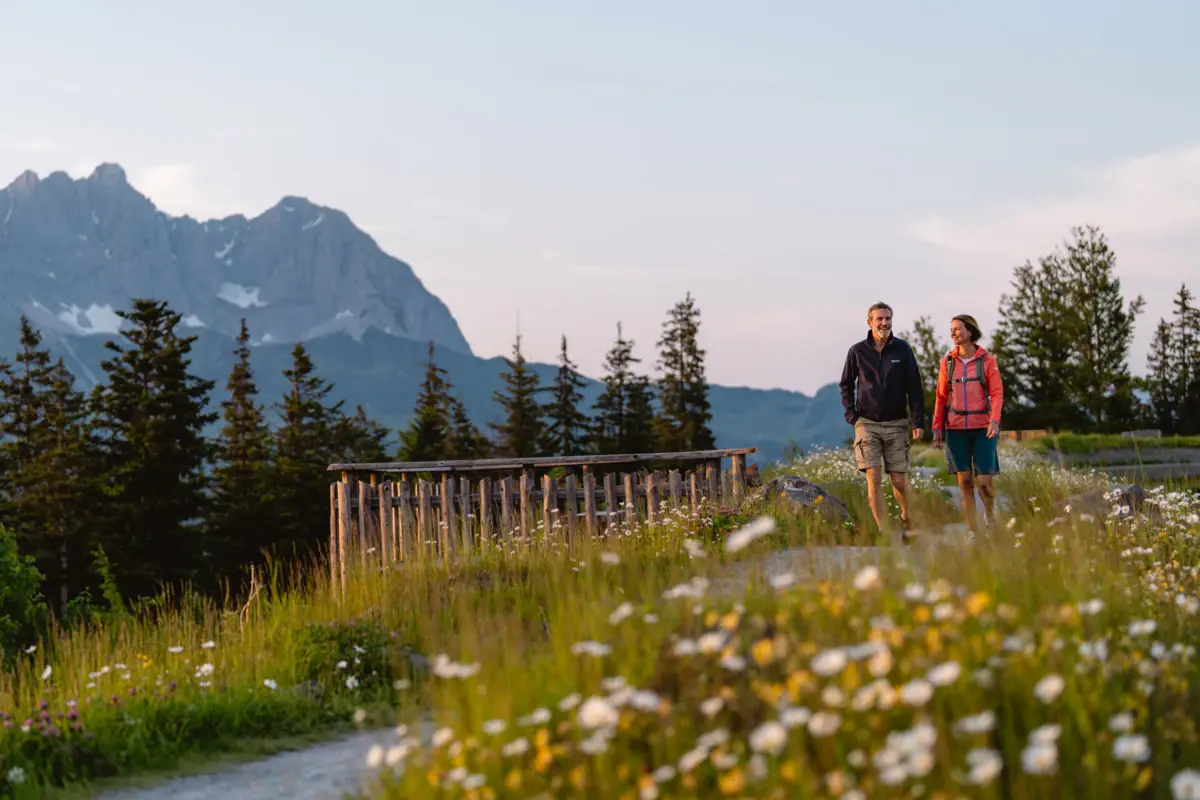
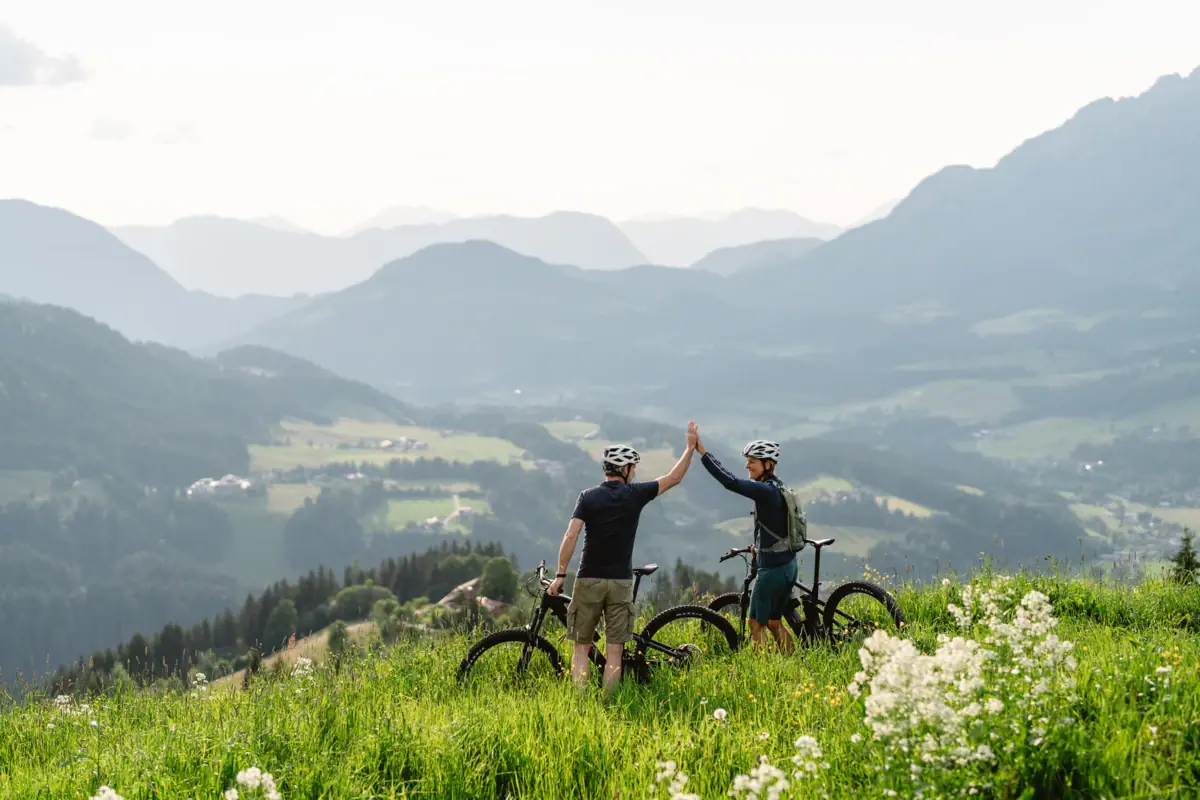
A group of people walk along a path through a flowering field with a mountain in the background.Two people with bicycles on a hill outside.

Hiking. Biking. Golfing.
Kitzbühel moves.

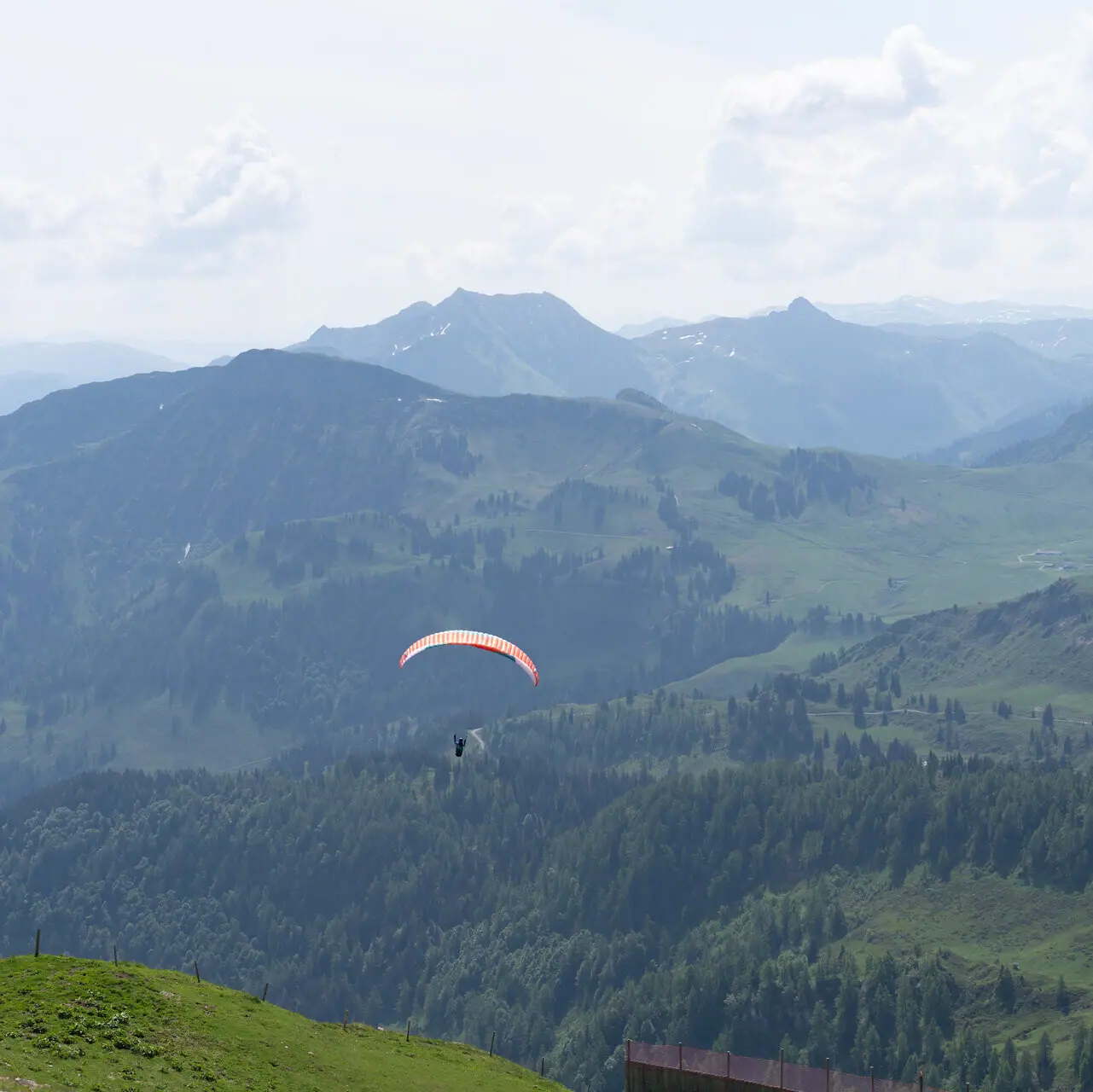
Some come for a day. And realise in the evening that they are far from finished. The Hahnenkamm, which keeps the world in suspense in winter, is a panoramic hiking mountain in summer. The Kitzbüheler Horn, which makes cyclists sweat, rewards you at the top with a view as far as the Großglockner. And the four golf courses around Kitzbühel are not the golf centre of the Alps for nothing. Kitzbühel in summer is not a compromise. It is a promise.

1.000 km of hiking trails & 70 mountain huts

800 km of bike and mountain bike routes

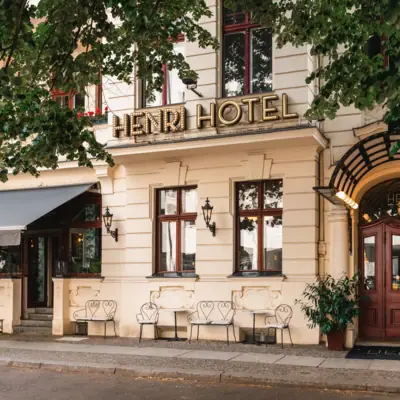
4 golf courses within 5 minutes of the HENRI

KitzCard - free cable car ascent and descent included daily (May, June, September, October)

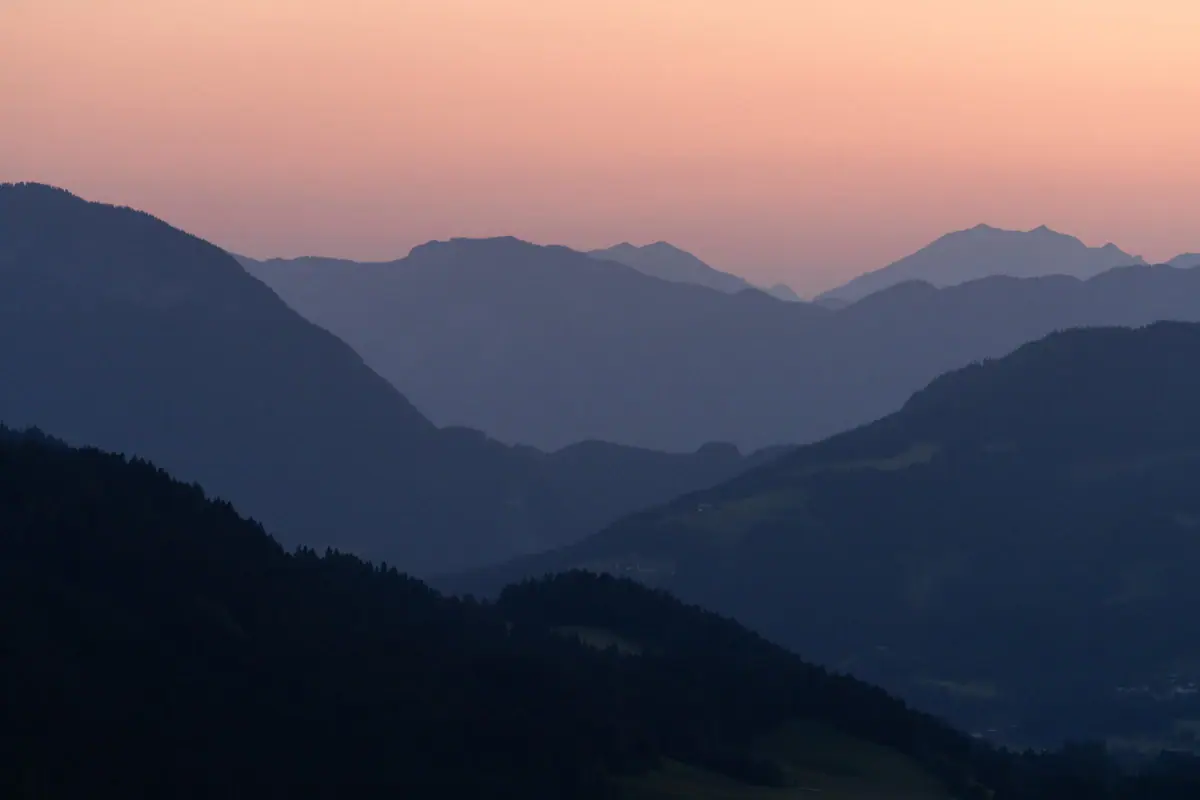
A mountain range with trees and a pink sky.
A woman stands on a path in a grassy area with mountains in the background.

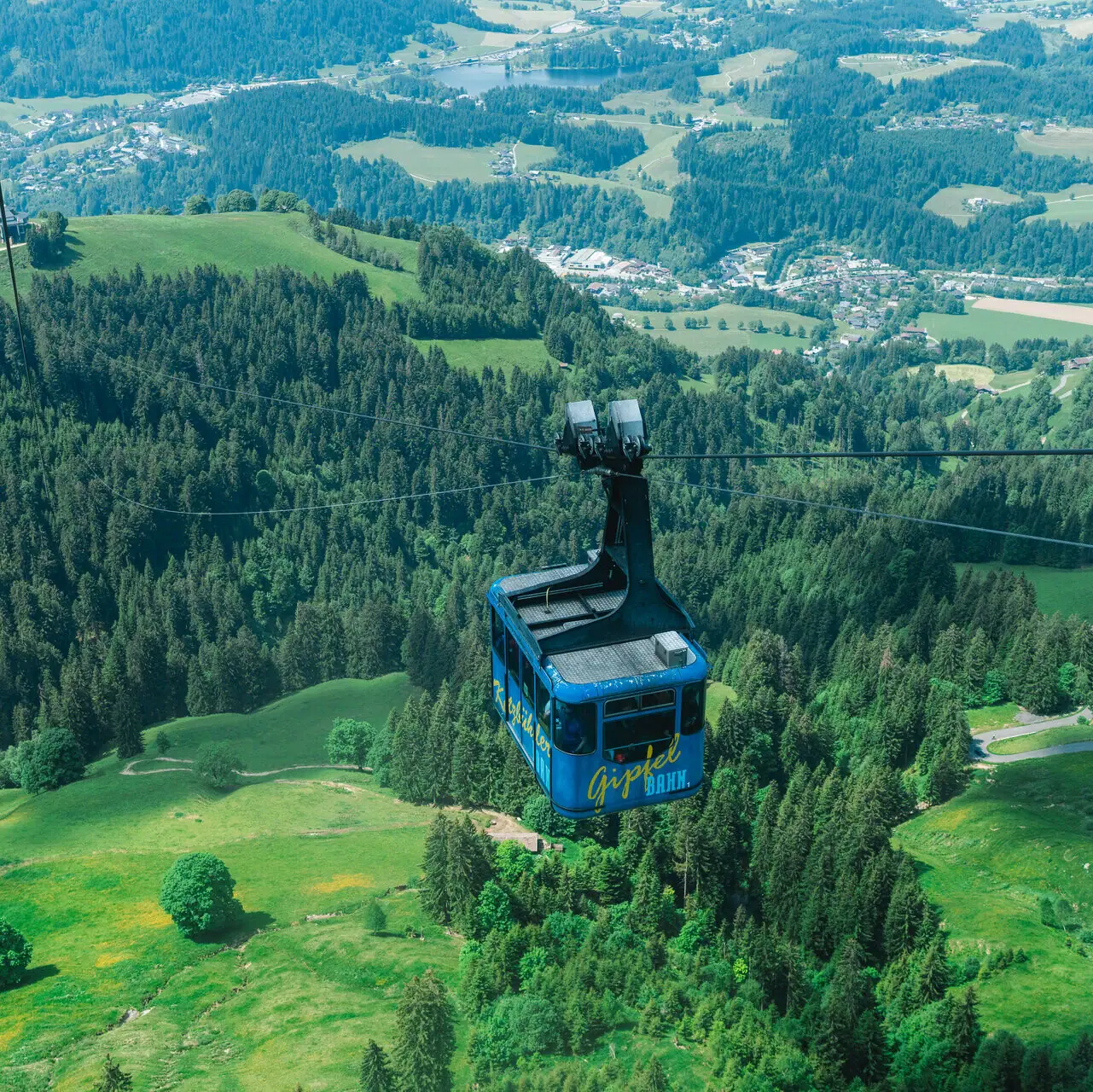
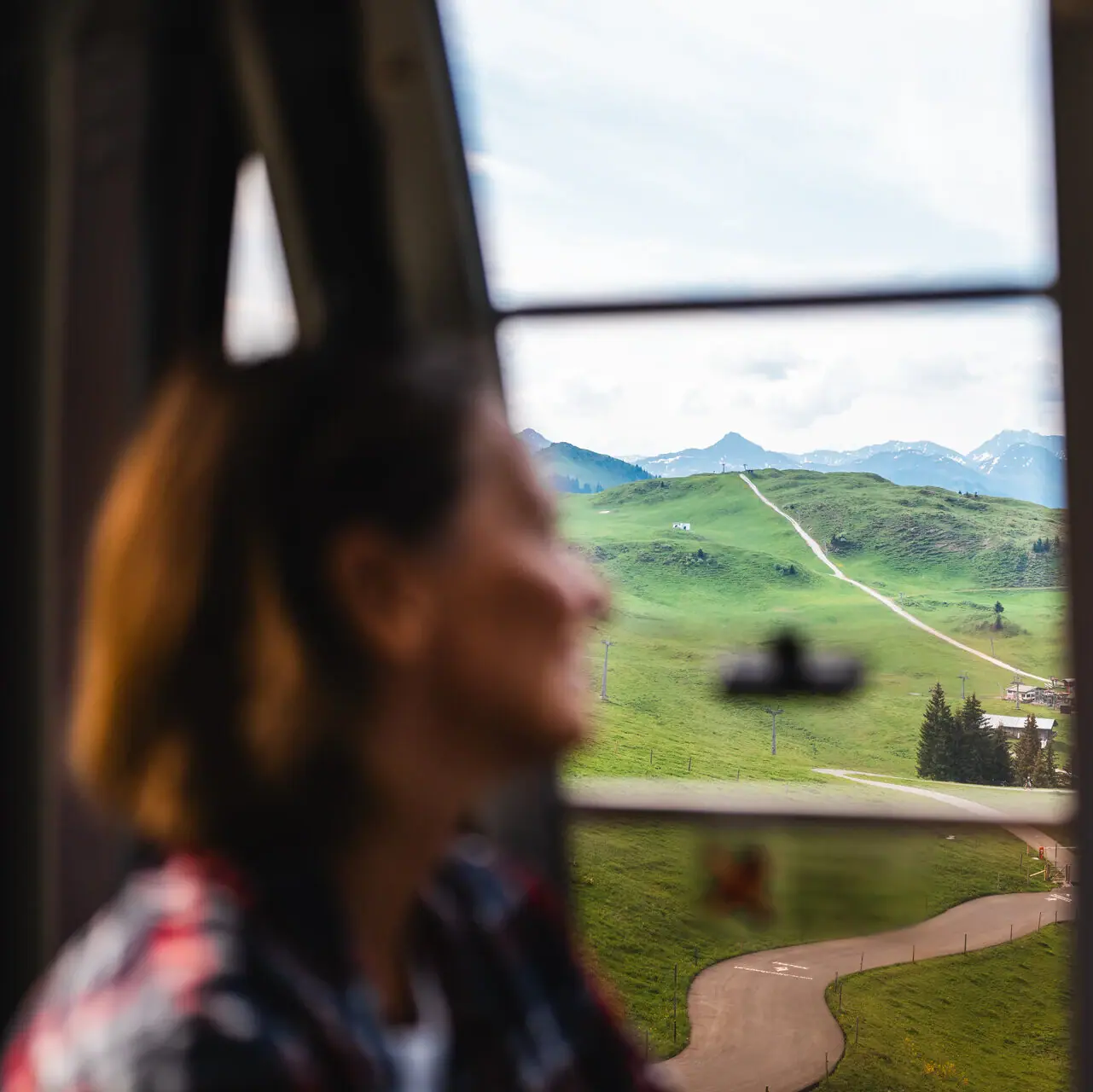
The Kitzbüheler Horn. Gondola up. Everything else can wait.

The Kitzbüheler Horn is Kitzbühel's second mountain and for many the more beautiful. Less busy than the Hahnenkamm, but more nature, more tranquillity, more surprises. It is best to drive to the top and walk back. From the summit at 1,996 metres, the view extends as far as the Großglockner. The descent leads through the Alpine flower garden - 400 varieties from all over the world, freely accessible, tended by the same family since 1985. If you keep your eyes peeled, you may encounter marmots along the way. Insider tip: the cooler the morning, the more active they are. So set off early.

  • Take the Hornbahn cable car to the summit and return on foot
  • Alpine flower garden - 400 varieties, free admission
  • 360° panorama up to the Großglockner
  • Best chance of seeing marmots
A group of people ride their bicycles across a meadow next to a lake.

Kitzbühel has more than one lake.

Moor lakes, mountain lakes, reservoirs - there is water in every form around Kitzbühel. As one of the warmest lakes in the Alps, the Schwarzsee warms up in spring. The Astbergsee mirrors the Wilder Kaiser so perfectly that it is called the "Mirror of the Kaiser". Lake Hintersteiner See is located in a nature reserve: crystal-clear water, up to 23 degrees in summer. Marvellous!

And for hikers: The four-lake hike on the Hahnenkamm takes you past the Ehrenbachhöhe reservoir, Brunnsee, Pengelsteinsee and Usterkarsee lakes in four hours. Pack your swimming trunks.
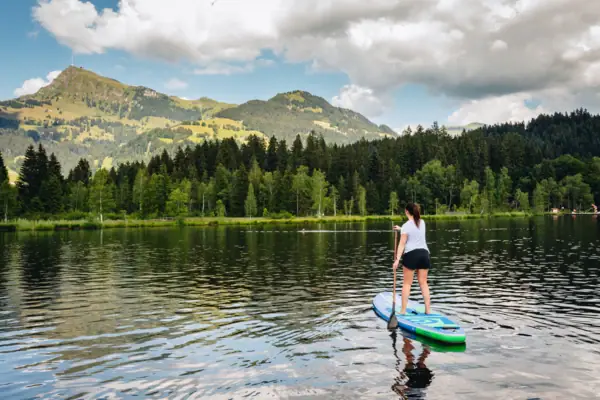
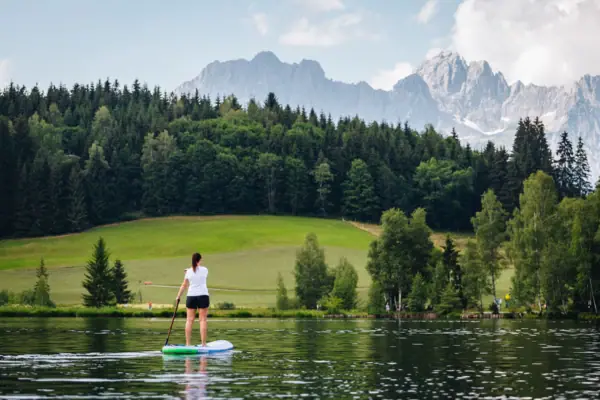
Woman on a paddleboard on a lakeA woman on a paddleboard on a lake.A stand-up paddle board on a lake.

Black Lake

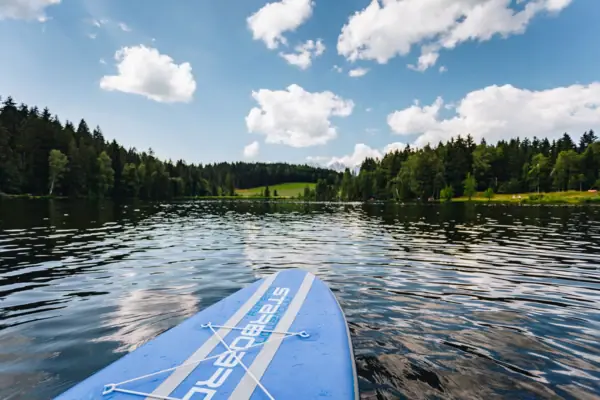
Not a mountain lake that leaves you freezing. Schwarzsee is a moorland lake and that means it warms up early, up to 26 degrees in summer. Ten minutes from the HENRI, with a lido, stand-up paddling and rowing boats. If you arrive early, you'll have it almost to yourself. If you come later, you'll still have a good day.
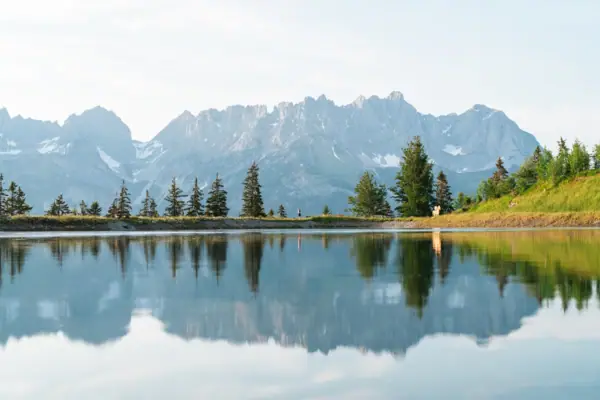
Astbergsee with trees and mountains in the background

Astbergsee

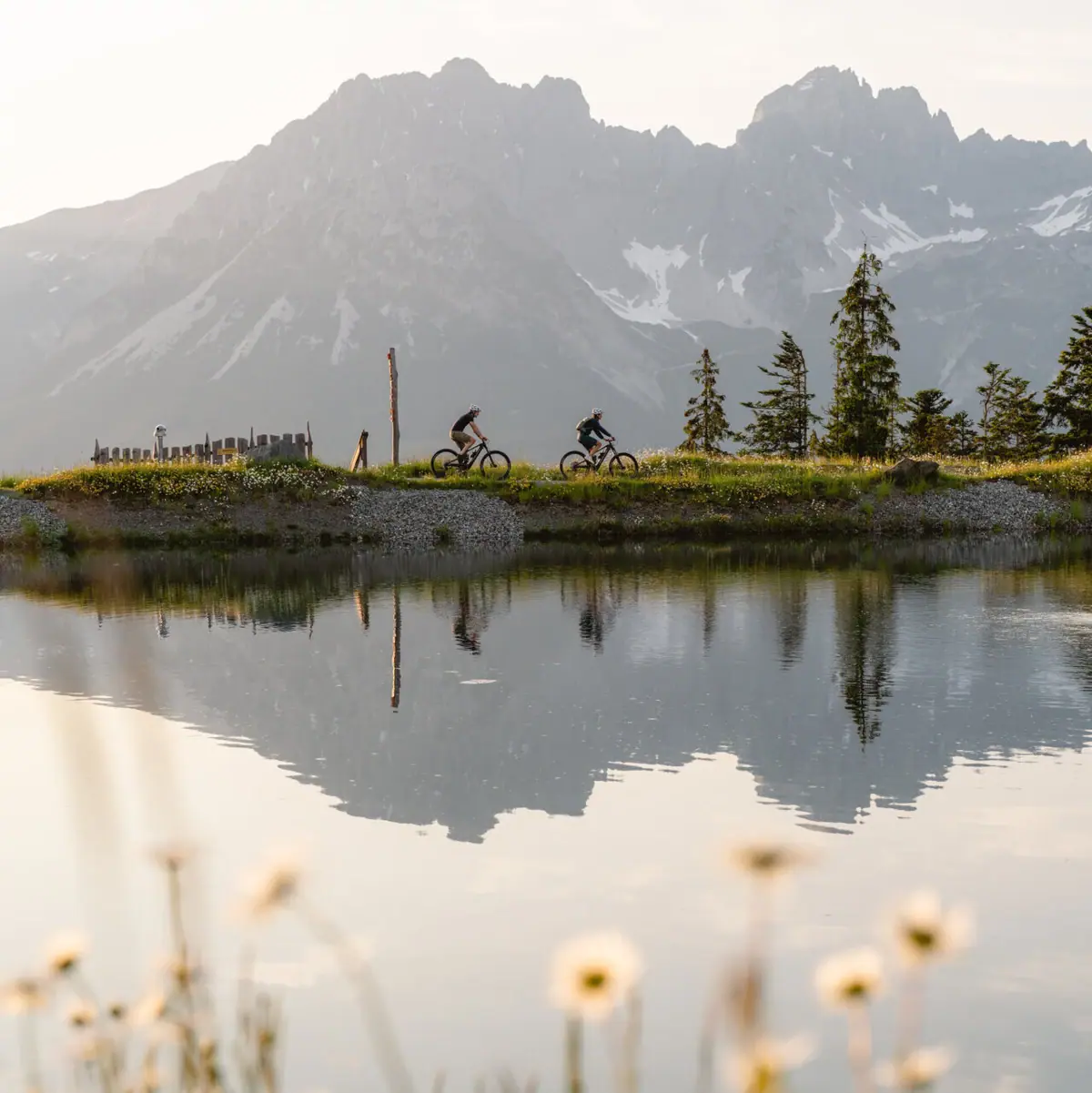
On windless days, the Wilder Kaiser is reflected so perfectly in the water that you have to look twice. The Astbergsee is located at 1,250 metres above Going, accessible by cable car and even more beautiful on foot. The Blattlalm is right next to the lake, next to wooden loungers with a view of the Kaiser mountains. One of the quietest places around Kitzbühel and one of the most beautiful.
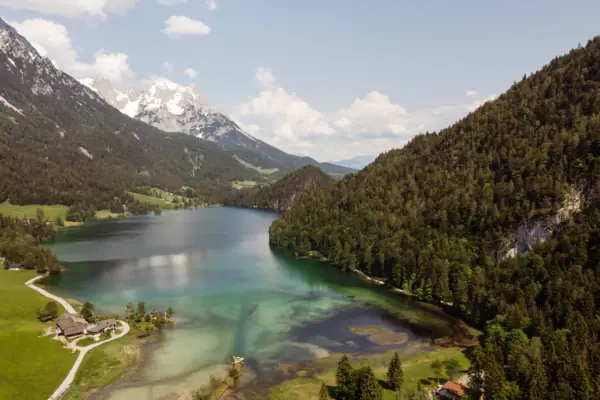
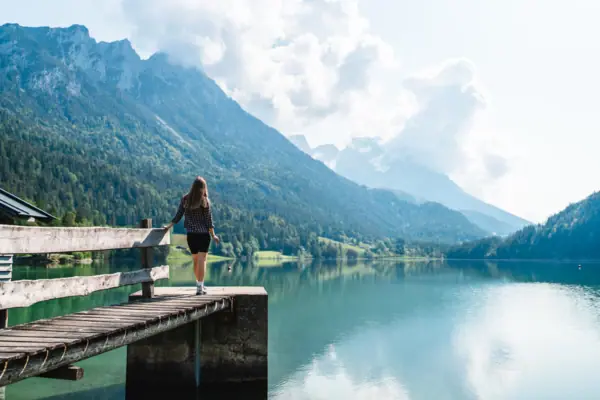
A lake surrounded by trees and mountains.A woman stands on a jetty and looks out over a lake.A body of water with trees.

Hintersteiner Lake

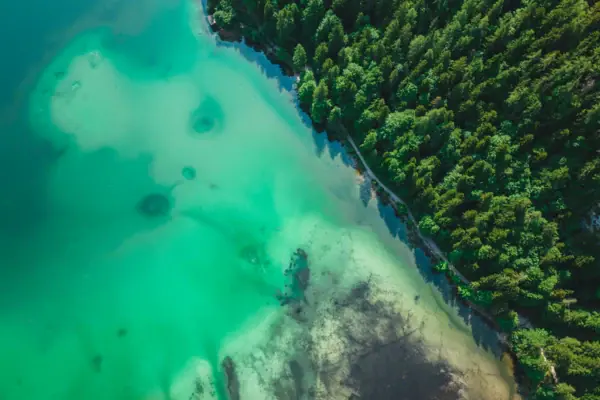
Crystal-clear water that you could drink and gets up to 23 degrees in summer. Lake Hintersteiner See is nestled in the Wilder Kaiser nature reserve, surrounded by rocks and forests that are reflected in the water. Lido, sunbathing lawns, hiking trails right on the shore. If you hike further, you can reach the Kafma Alm in an hour. One of the most beautiful bathing lakes in Tyrol and still a real insider tip.
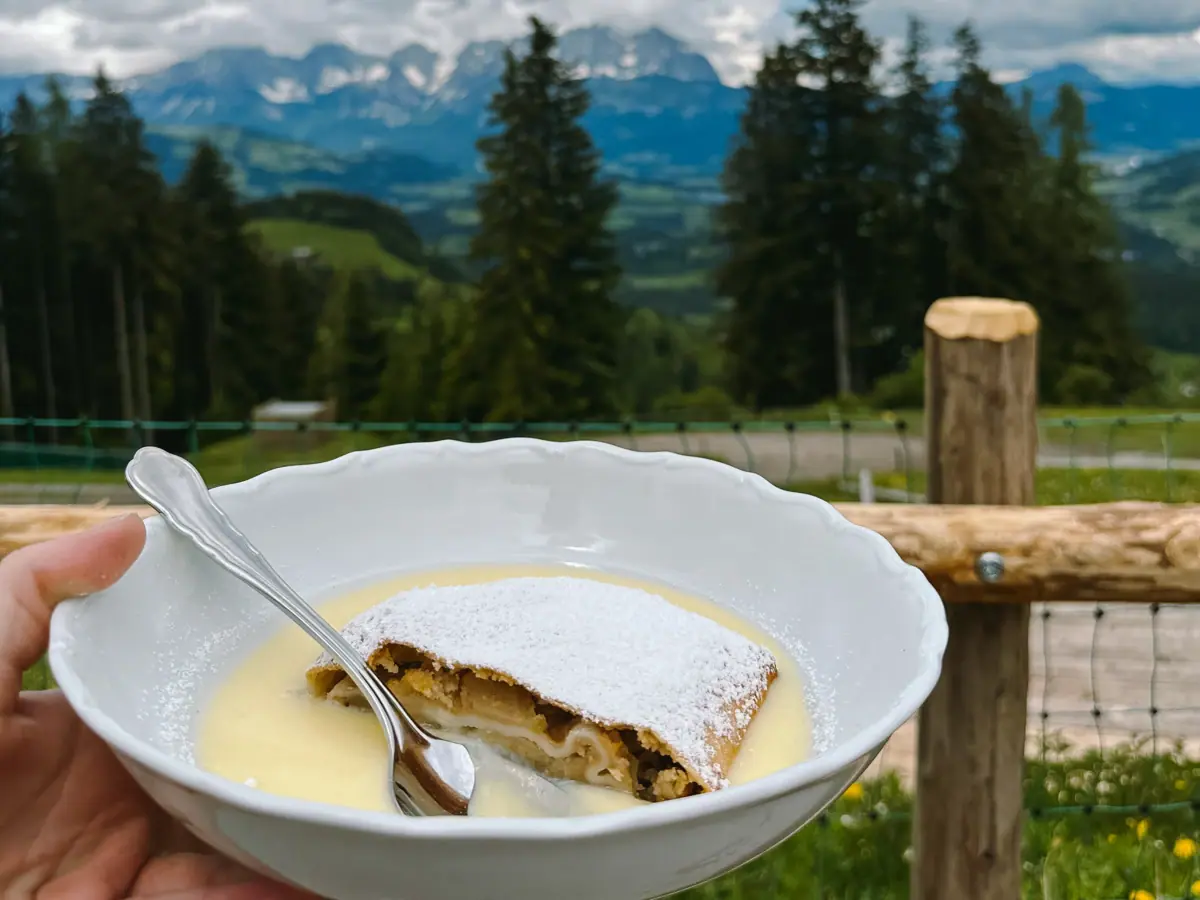
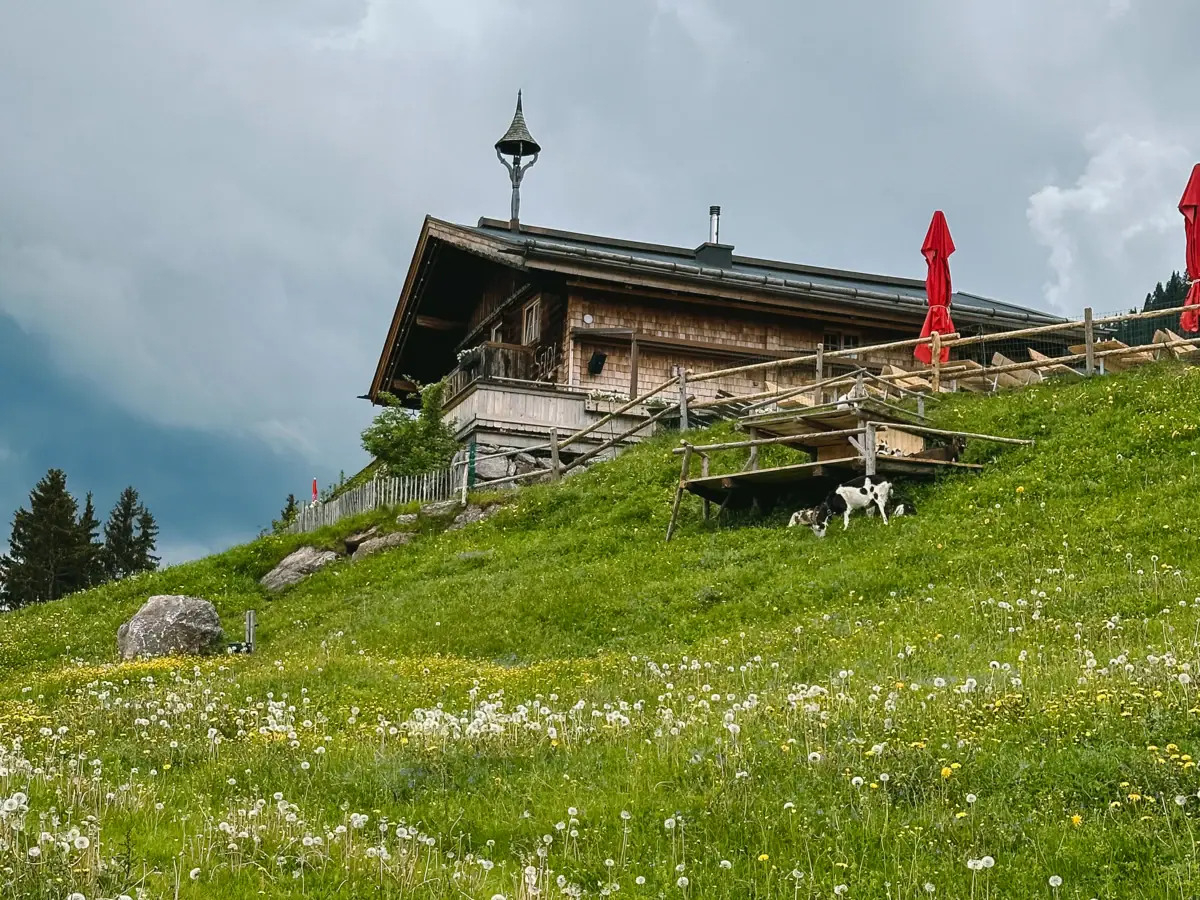
One hand holds a bowl of food and a spoon.House on a hill with grass and trees.

70 mountain huts. Genuine Tyrolean hospitality.

Kitzbühel has over 70 mountain huts and each one has its own story. Some can be reached in 20 minutes, some only after a two-hour climb. Some serve Kaiserschmarrn with a panorama, some just buttermilk and silence. They all have one thing in common: you won't go home hungry.

HENRI tip: Our personal recommendation is the Seidlalm on the Hahnenkamm. Right on the Streif, goats on the doorstep, snacks on the terrace and a cranberry pancake that is addictive. Just drop by, the Seidlalm does not take reservations.

Other mountain huts you have to know:

Rosis Sonnbergstuben: The singing landlady Rosi Schipflinger has been welcoming guests to the Bichlalm, 1,200 metres above sea level, for over 50 years.

Bruggeralm, Jochberg: Over 300 years old, rustic tiled stove parlour, homemade goat's cheese and farmhouse bread.

Hahnenkammstüberl: Small, cosy, just a few steps from the Hahnenkamm cable car. Lisi is always up for a joke.

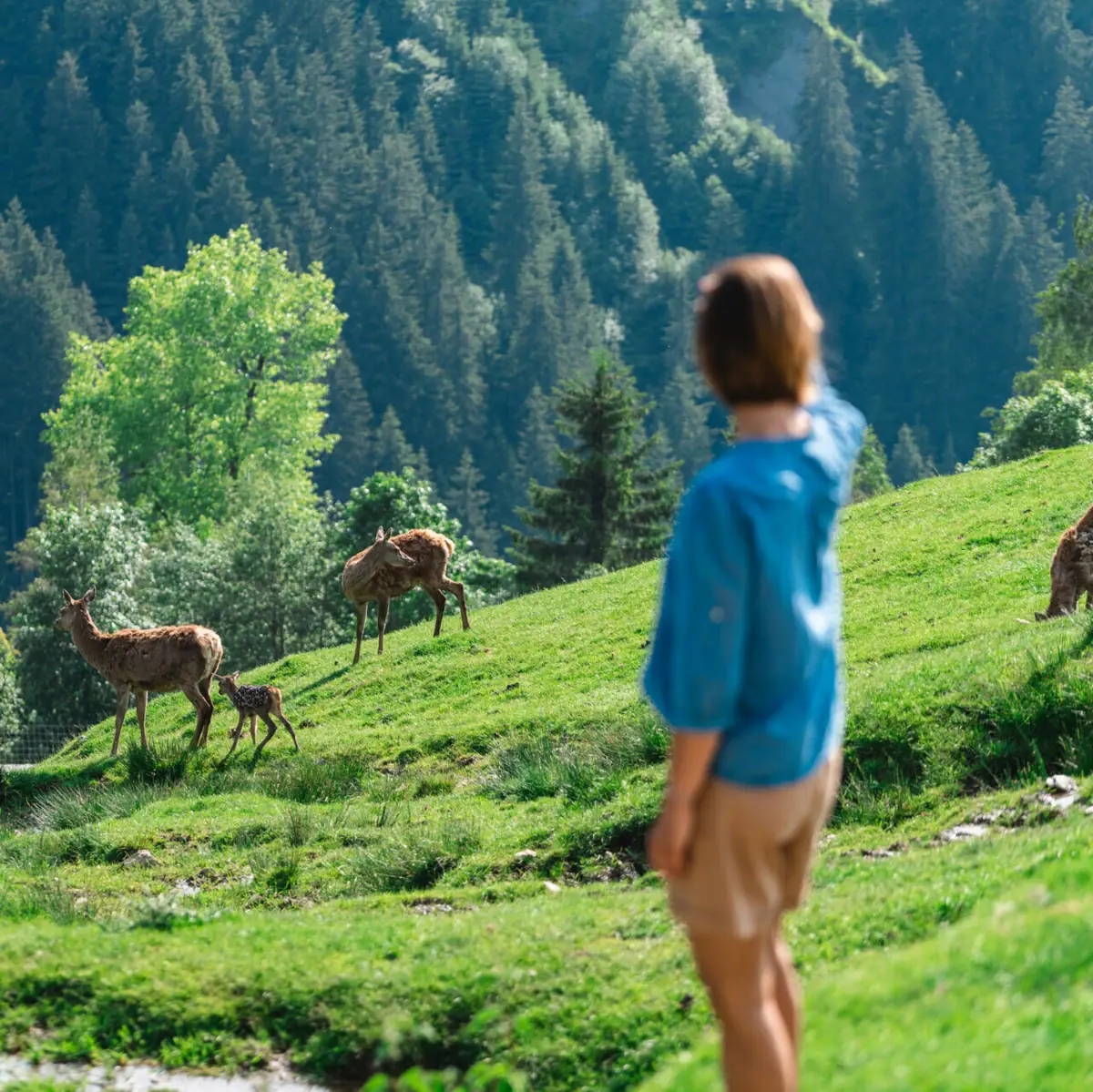
A woman looks at a group of deer on a hill.

Kitzbühel has more to offer than you can manage in a week.

When you arrive in Kitzbühel, the first thing you think of is mountains. And rightly so. But there is more around the town than most guests discover on holiday. A wildlife park where red deer stand among the trees. A waterfall that you can reach in twenty minutes and won't forget in a hurry. A town museum with original paintings by Alfons Walde. And a village that looks just as you would imagine Tyrol to look - before tourism arrived.

Aurach Wildlife Park: red deer, wild boar, roe deer, mouflon and ibex live on extensive grounds right outside the city gates in Aurach Forest. Not a zoo with bars and explanatory panels, but a real wildlife park where the animals set their own rhythm and visitors adapt to it. Those who come early in the morning will experience the animals at their most active: red deer in the morning light, wild boar at breakfast, ibex on the rocks.

Further highlights;

  • Sintersbach waterfall
  • Kitzbühel Museum
  • Going am Wilden Kaiser: The Tyrolean village with a baroque church, a village square and the Wilder Kaiser right behind you.
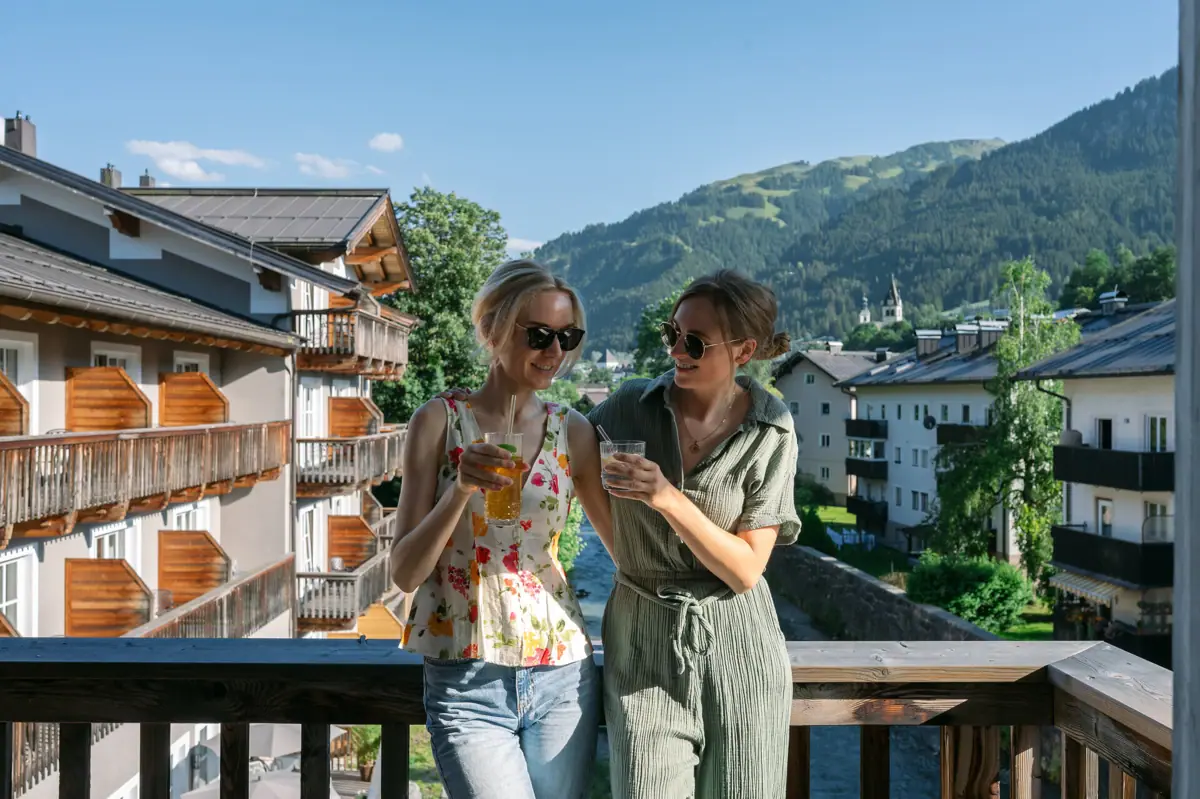
Two women stand on a balcony with a view of mountains and trees.

The best starting point for all this.

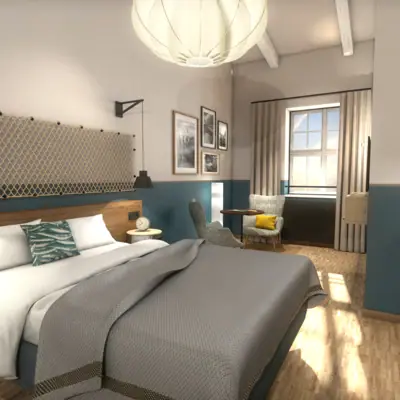
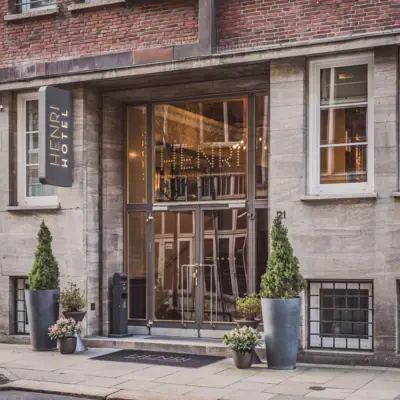
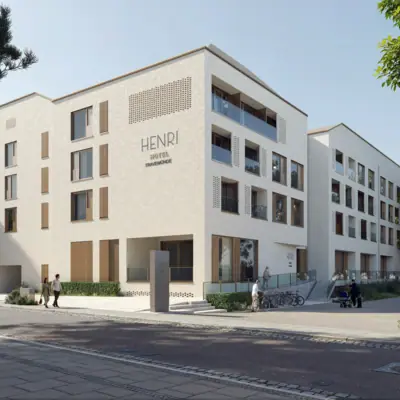
All of this is right on your doorstep when you stay with us. We know the mountain pastures that are worthwhile. The lakes where peace still reigns. The paths where you won't bump into anyone. And we like to share this with you: at breakfast, at reception, or just because.

See you soon at the HENRI.